
Iran and its Lebanese Hezbollah militia proxy on Thursday fired rockets again at Israel, where people are currently celebrating Passover.
In the morning, warning sirens sounded repeatedly in northern Israel. Two men were slightly injured by a Hezbollah rocket, the Magen David Adom emergency service said.
An Iranian rocket also aimed at the north was fitted with cluster munitions, Israeli media reported. The use of cluster munitions is widely banned internationally because they can scatter explosive devices uncontrollably over large areas and are particularly dangerous for civilians.
There was also repeated fire at Israel overnight. A rocket alert was triggered in the coastal metropolis of Tel Aviv, among other places. Magen David Adom reported several people with minor injuries from broken glass in a suburb of Tel Aviv, including two babies.
The week-long Passover festival began on Wednesday evening for Jews around the world. It commemorates the exodus of the Israelites from Egypt and their liberation from slavery.
LATEST POSTS
- 1
 Flu season is ramping up, and some experts are "pretty worried"
 - 2Why is Jerome Powell being investigated? Making sense of the DOJ's probe into the Federal Reserve chair.
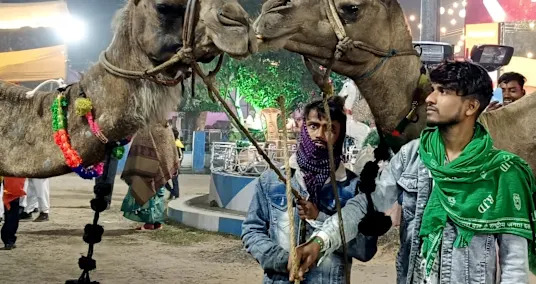
- 3Authorities Bust Camel Booze Smuggling Operation, Seize Nearly 2,000 Containers of Illegal Alcohol
- 4Most loved Web-based feature: Which Stage Do You Like
- 5Nurturing Hacks: Astuteness from Experienced Mothers and Fathers




- The Electric Bicycle Americans Can Confide in 2024
- Mystery foot suggests a second early human relative lived alongside Lucy
- Tablets: Upgrade Your Understanding Experience
- The most effective method to Pick the Right Old Consideration Administration: Key Contemplations
- Baidu robotaxi outage in Wuhan caused by 'system failure', police say
- 10 Asian Countries Perfect for Solo Female Travelers
- The Most Compelling Innovation Advancements Somewhat recently
- CDC clarifies stance on vaccines and autism, stating no evidence supports the link
- Was it a stone tool or just a rock? An archaeologist explains how scientists can tell the difference