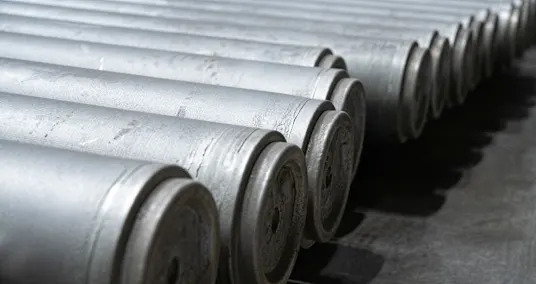
Fears of global aluminium shortages that could affect the production of clean energy technologies intensified after Iran struck two major Gulf aluminium producers, sending prices to a four-year high. The Middle East accounts for 9% of the world’s production of aluminum, which is essential to a wide range of industries from transportation, construction, and packaging, as well as the manufacture of solar panels, electrical transmission systems, wind turbines, and EVs.
Export shipments to the US and Europe had already come to a halt because of the effective closure of the Strait of Hormuz, and Morgan Stanley economists singled out aluminium as carrying a high level of risk across the value chain. Andy Farida, an aluminium analyst at Fastmarkets, told Semafor that high prices would be passed on to end-users, ultimately causing demand destruction. “A prolonged shutdown (with little to no alternative supplies other than Russia and China) could cripple the supply of aluminium to support the production of clean and green technology,” he said, adding that relief could come “if governments allow some sanctioned Russian and Chinese aluminium to be imported.”

LATEST POSTS
- 1
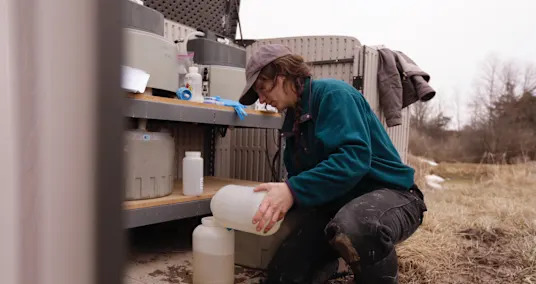
 Warming winters lead to more nitrate pollution in the drinking water near farms
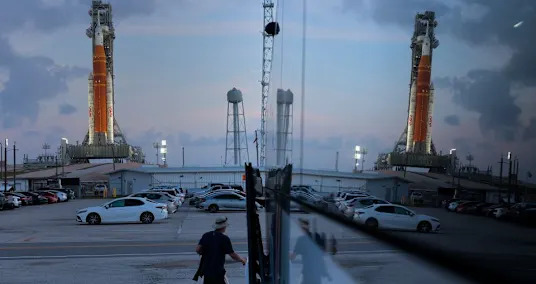
 - 2What to watch for as NASA’s historic Artemis II crew prepares to lift off toward the moon
- 3Best Quest for new employment Site for You to Track down Amazing open doors
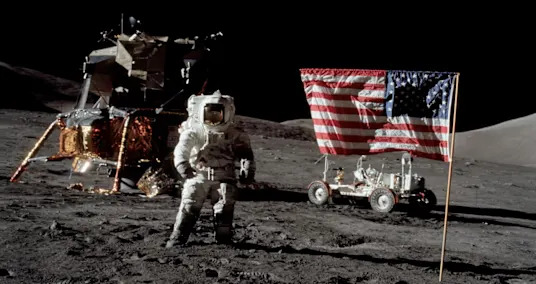
- 4Artemis 2 astronauts are now headed to the moon. Why has it taken humanity so long to go back?
- 5Defense Minister Katz moves to extend IDF service to 36 months


- 5 VIPs That Changed Style
- 2 bright planets light up April evenings — here's where and when to look
- From record warming to rusting rivers, 2025 Arctic Report Card shows a region transforming faster than expected
- Russia accidentally destroys its only way of sending astronauts to space
- Grasping the Course of Evacuation and Extradition in U.S. Migration
- The Most Compelling Books of the 10 years
- Vote in favor of your favored spot to peruse
- New peace laureate: Iran's arrest of Mohammadi 'confession of fear'
- 10 Moves toward Start Your Own Effective Business