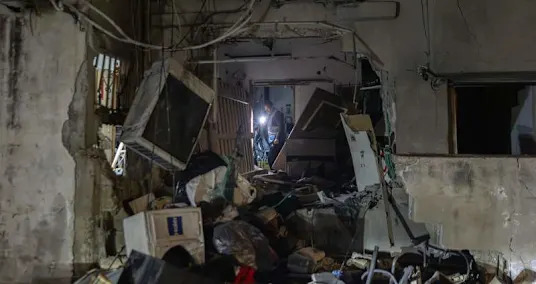
Iranian missile attacks on southern Israel injured at least 11 people near the desert city of Beersheba on Sunday, emergency services said.
Israel's Magen David Adom rescue service said the people were wounded by debris propelled by shockwaves from the strikes. Air raid sirens sounded repeatedly across the south of the country as rockets were detected.
In one strike, a large fire broke out at a chemical plant on the outskirts of Beersheba. Television footage showed a thick plume of smoke rising from the site.
Authorities briefly feared that hazardous substances could be released during the fire, posing a risk to nearby residents. However, the Israeli Ministry of Environmental Protection later said inspections found no immediate danger to the public.

LATEST POSTS
- 1
 Top 15 Supportable Design Brands Coming out on top
 - 2Rick Steves' Favorite Time To Visit Spain Has Lower Prices And Fewer Crowds
- 3Instructions to Pick the Right Toothpaste for Your Dental Requirements
- 4The Way to Fruitful Weight reduction: Individual Wellbeing Excursions
- 5A Manual for Nations to Head out To



- Grasping the Course of Evacuation and Extradition in U.S. Migration
- How is 'A Knight of the Seven Kingdoms' connected to 'Game of Thrones'?
- 'Stranger Things' star debunks claims of 'unseen footage' from Season 5, Volume 2 as backlash intensifies ahead of the series finale
- The Best Internet based Retailers for Style and Frill
- Vote In favor of Your #1 Compelling Female Producer
- All the eclipses, supermoons, meteor showers and planets to spot in 2026
- There are thousands of aligned holes in Peru. Archaeologists now think they know who made them
- Home Security Frameworks with Shrewd Elements
- A few Exemplary Chinese Dishes, Which Are Famous Around the world